
Best Camera for Estate Agents (2026 Buyer's Guide)
Compare the best cameras for estate agents and property photographers in 2026 — from full-frame mirrorless bodies to compact options that deliver professional listing photos without overcomplicating your workflow.
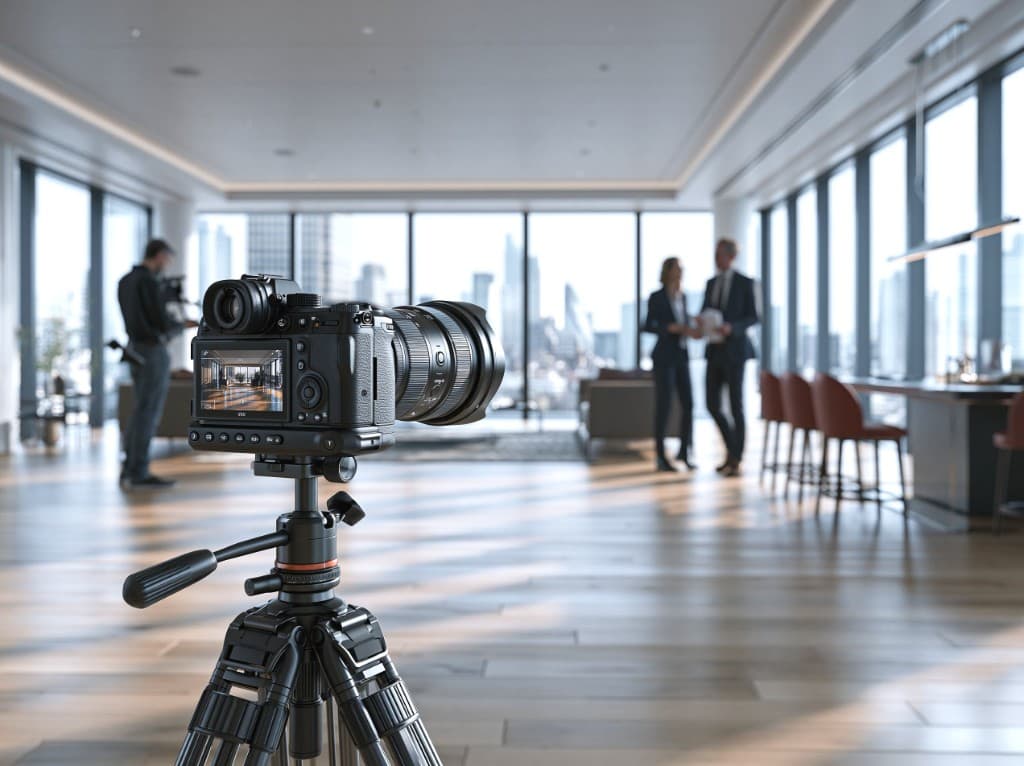
Key Takeaways
- Full-frame mirrorless cameras offer the best dynamic range for interior HDR work.
- 24–33MP is the sweet spot — enough detail without huge file sizes.
- Lens choice matters more than the camera body for property photography.
- Estate agents shooting fewer than 5 listings per week should consider outsourcing.
- ReHub HDR Photo can enhance bracketed shots from any capable camera.
Choosing the right camera is one of the most common questions we hear from estate agents, property photographers and developers who want to improve their listing photography. With dozens of mirrorless bodies on the market, the decision can feel overwhelming — especially when your goal is simply to produce bright, sharp photos that help properties sell faster.
After more than 20 years shooting property across London, Essex and nationwide, we have tested virtually every major camera platform in real listing conditions: dark Victorian terraces, floor-to-ceiling glass penthouses, narrow new-build hallways and commercial spaces with mixed lighting. This guide distils that experience into a practical comparison designed for buyers who need a clear answer, not a spec sheet.
Whether you are an estate agent considering in-house photography, a freelance property photographer building your kit, or a developer marketing a new scheme, the principles are the same: dynamic range, lens compatibility, workflow speed and total cost of ownership matter more than brand loyalty.
For agents who prefer to focus on selling rather than shooting, our property photography service delivers HDR-edited photos on a next-day turnaround. For those committed to building an in-house capability, read on.
Why camera choice matters for property listings
Rightmove and Zoopla data consistently shows that listings with professional photography receive more views and enquiries. The camera is the foundation of that quality — it determines how much detail you capture in shadows, how cleanly you render window views and how much flexibility you have in post-production.
Property photography is unusual compared to other genres. You are shooting in confined spaces with extreme contrast between interiors and windows. You need wide angles without distortion, consistent colour across rooms and enough resolution for portals, brochures and social media crops. The best camera for estate agents is one that handles these challenges reliably, shoot after shoot.
If you are also producing floor plans or property videos, consider how your camera fits into a broader marketing workflow. Many of our agency clients pair in-house snapshots with professional media for premium listings — a hybrid approach that balances cost and quality.
Comparison table — best cameras for estate agents 2026
| Product | Price | Pros | Cons | Best For | Score |
|---|---|---|---|---|---|
| Sony A7 IV | £2,200 | 33MP, excellent DR, fast AF, huge lens range | Menu complexity, premium price | Professional property photographers | 9.4 |
| Canon EOS R6 Mark II | £2,100 | Fast burst, great colours, RF lens ecosystem | 24MP may feel limiting for large prints | Agents already in Canon system | 9.2 |
| Nikon Z6 III | £2,300 | Strong DR, excellent IBIS, robust build | Z-mount wide-angle choice still growing | Nikon users upgrading from DSLR | 9.1 |
| Canon EOS R8 | £1,300 | Light, full-frame, affordable entry | No IBIS, single card slot | Budget-conscious estate agents | 8.7 |
| Fujifilm X-T5 | £1,500 | 40MP APS-C, film simulations, compact | Smaller sensor for extreme HDR | Freelance photographers on the move | 8.8 |
| Sony A6700 | £1,400 | Compact, 26MP, excellent AF tracking | APS-C limits ultra-wide options | Part-time agent photographers | 8.5 |
Detailed camera reviews
Sony A7 IV — best overall
Sony A7 IV
From £2,200 body only
Best for: Professional property photographers and serious estate agents
Check price on AmazonScore
9.4
Pros
- 33MP full-frame sensor with excellent dynamic range for HDR bracketing
- Fast, accurate autofocus — useful for detail shots and exteriors
- Huge E-mount lens selection including affordable wide-angle options
- 4K video capability for agents expanding into property video
- Reliable battery life for full-day shooting schedules
Cons
- Menu system takes time to learn
- Premium price for occasional-use agents
- Sony colour science requires slight post-processing preference adjustment
The Sony A7 IV is our top recommendation for property photography in 2026. Its 33-megapixel sensor captures enough detail for any UK portal while maintaining manageable file sizes. Dynamic range is the critical factor for interior work — the A7 IV handles the gap between bright windows and shadowed corners better than most APS-C alternatives, reducing the number of bracketed frames needed for clean HDR merges.
Pair it with a Sony FE 16–35mm f/4 or the Laowa 15mm f/2 for interiors. For agents who also shoot video walkthroughs, the A7 IV's 4K output integrates neatly with property video workflows. Post-processing is streamlined through HDR Photo for bracket merging and PhotoEdit for final polish.
Canon EOS R6 Mark II — best for Canon users
Canon EOS R6 Mark II
From £2,100 body only
Best for: Estate agents and photographers already invested in Canon glass
Check price on AmazonScore
9.2
Pros
- Exceptionally fast burst rate for HDR bracketing
- Natural, pleasing colour straight out of camera
- Strong RF lens lineup including excellent wide-angle zooms
- Industry-leading autofocus for exterior and detail work
- Dual card slots for professional peace of mind
Cons
- 24MP resolution is adequate but not class-leading
- RF lenses carry a premium over older EF equivalents
- Body is slightly larger than Sony alternatives
If you are upgrading from a Canon 5D or EOS R system, the R6 Mark II is the logical step. Canon's colour rendering is particularly forgiving for agents who want good JPEG previews before editing. The 40fps electronic shutter makes bracketing five exposures nearly instant — a genuine workflow advantage in properties where you are working against a tight schedule.
The RF 15–35mm f/2.8 L is a superb interior lens, though the RF 16mm f/2.8 STM offers excellent value for agents on a budget.
Nikon Z6 III — best for Nikon loyalists
Nikon Z6 III
From £2,300 body only
Best for: Photographers transitioning from Nikon DSLR systems
Check price on AmazonScore
9.1
Pros
- Excellent dynamic range and low-light performance
- Partially stacked sensor for faster readout
- Robust weather sealing for exterior shoots
- Strong in-body stabilisation for handheld detail shots
- Intuitive handling similar to Nikon DSLRs
Cons
- Z-mount ultra-wide selection is improving but still behind Sony
- Higher price point for the feature set
- Nikon Z fc-style controls may feel unfamiliar to new users
The Z6 III addresses the speed limitations of earlier Z bodies, making it genuinely viable for HDR property workflows. Nikon colours tend toward accurate neutrals — ideal for estate agents who want consistent results across varied properties without heavy grading.
Canon EOS R8 — best budget full-frame
Canon EOS R8
From £1,300 body only
Best for: Estate agents wanting full-frame quality on a tighter budget
Check price on AmazonScore
8.7
Pros
- Lightest full-frame body in Canon's lineup
- Same sensor technology as the R6 Mark II at lower cost
- Access to the RF lens mount
- Simple controls ideal for non-specialist photographers
- Good 4K video for basic property reels
Cons
- No in-body image stabilisation
- Single SD card slot
- Smaller battery — carry spares for full-day shoots
The R8 proves you do not need to spend £2,000+ for full-frame property photography. Its main limitation is the lack of IBIS, which matters less when you are tripod-mounted for interiors — standard practice for professional property work.
Fujifilm X-T5 — best APS-C option
Fujifilm X-T5
From £1,500 body only
Best for: Freelance property photographers prioritising portability
Check price on AmazonScore
8.8
Pros
- 40MP APS-C — highest resolution in class
- Compact, lightweight body for all-day carry
- Film simulation modes for quick previews
- Excellent build quality and dials for manual control
- Strong Fujifilm wide-angle lens selection
Cons
- APS-C sensor limits extreme HDR compared to full-frame
- Autofocus trails Sony and Canon for tracking
- Files can be large at 40MP for high-volume agents
The X-T5 is a compelling choice for freelance photographers who shoot property alongside other work. Pair with the Fujinon XF 10–24mm f/4 for interiors. For pure property specialists shooting high-end listings, full-frame still has the edge in challenging light.
Buying guide — what to look for
Dynamic range and HDR capability
The single most important specification for property photography is dynamic range — the sensor's ability to capture detail in both shadows and highlights simultaneously. In practice, this means you can recover window detail and interior shadow information from RAW files, or bracket fewer frames for HDR merging.
Full-frame sensors generally outperform APS-C in this regard. When evaluating cameras, look for reviews that test real-world dynamic range rather than relying on megapixel counts alone.
Lens mount and wide-angle availability
Your camera body is only half the equation. Property photography demands ultra-wide lenses — typically 14–18mm full-frame equivalent. Before committing to a system, check that affordable, sharp wide-angle lenses exist for that mount.
Sony E-mount and Canon RF currently offer the broadest selection. Nikon Z is catching up. Micro Four Thirds and Fujifilm X have capable options but with fewer ultra-wide choices at the professional end.
Workflow integration
Consider how the camera fits your broader marketing stack. Do you need 4K video for property videos? Will you bracket for HDR Photo? Do you deliver directly to your CRM or portal upload system?
Cameras that shoot silently, bracket quickly and produce consistent RAW files reduce editing time — often worth more than a marginal sensor improvement.
Common mistakes when buying a property camera
Buying on megapixels alone. Anything above 24MP is sufficient for UK property portals. Higher counts increase storage and editing time without improving listing performance.
Ignoring the lens budget. A £500 camera with a £1,200 wide-angle lens will outperform a £2,000 camera with a kit lens in property photography every time. Budget at least 50% of your body cost for a quality wide-angle.
Choosing action-oriented cameras. Sports cameras with fast burst and tracking excel at property detail work but are not necessary for tripod-mounted interiors. Prioritise dynamic range and lens ecosystem over frame rate.
Skipping the tripod. Even the best camera produces soft interiors handheld. A solid tripod is non-negotiable — see our property photography equipment guide for the full kit list.
Underestimating editing time. A camera is the start, not the finish. Factor in HDR merging, perspective correction, colour grading and export — or use PhotoEdit and professional services to handle post-production.
Budget recommendations
| Budget | Recommendation | Notes | | --- | --- | --- | | Under £1,500 | Canon EOS R50 + RF-S 10–18mm | APS-C starter kit for occasional agent use | | £1,500–£2,500 | Canon EOS R8 + RF 16mm f/2.8 | Full-frame entry with capable wide-angle | | £2,500–£4,000 | Sony A7 IV + FE 16–35mm f/4 | Professional-grade setup for regular shooters | | £4,000+ | Sony A7 IV + tilt-shift lens | Architectural correction for premium listings |
Professional recommendations
For estate agencies shooting more than 10 listings per week in-house, invest in two identical bodies to avoid downtime and maintain consistent colour. Standardise on one lens for interiors and one for exteriors. Build a bracketing preset and use ReHub Studio tools for consistent post-production.
For agencies shooting fewer listings, the maths almost always favours outsourcing. A professional property photography visit costs less than a camera body alone — and includes editing, floor plans and portal-ready delivery.
Related guides
Some product links in this guide are Amazon affiliate links (tag photoplanbo05-21). If you buy through them, Photoplan may earn a small commission at no extra cost to you. This never affects our recommendations.
Frequently Asked Questions

The Photoplan Team
Property Media Specialists
The Photoplan team produces property photography, floor plans, tours, video and CGI that help estate agents, developers and commercial clients market property beautifully.
Need professional property photography rather than buying equipment?
Photoplan's photographers arrive with pro-grade kit, shoot HDR bracketed sets and deliver edited listing photos within 24 hours. Book online or ask about agency account pricing.
Estate agents book through the app · One-off customers order in the shop · or contact us
Related Articles
Best 360 Camera for Virtual Tours (2026 Buyer's Guide)
Create immersive property virtual tours with the right 360 camera. Compare Insta360, Ricoh Theta and professional options for estate agents and property marketers in 2026.
Best Drone for Property Photography (2026 Buyer's Guide)
Compare the best drones for property photography and aerial video in 2026 — from compact options for estate agents to professional platforms for developers and surveyors.
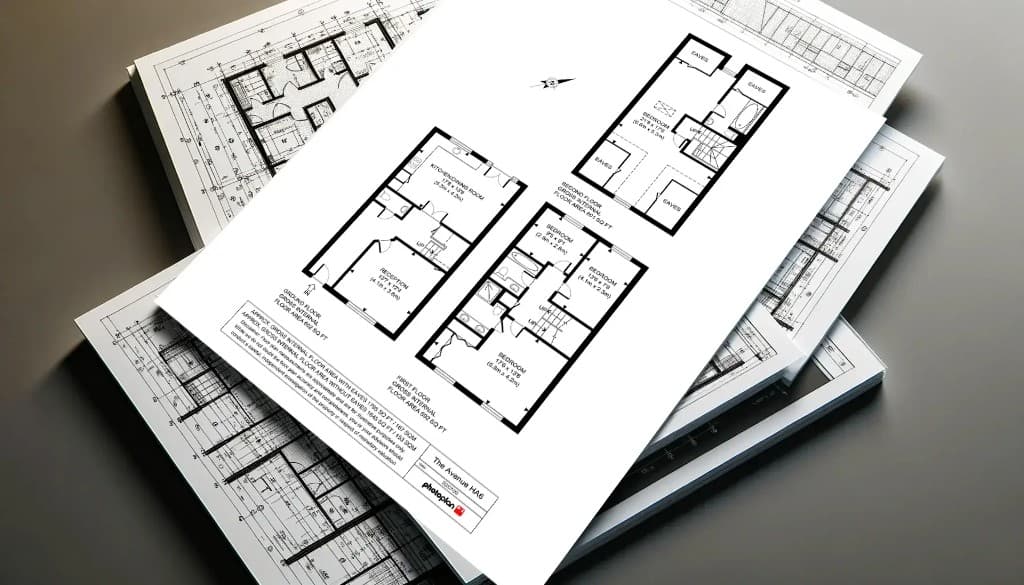
Best Floor Plan Software for Estate Agents (2026 Buyer's Guide)
Compare the best floor plan software for estate agents in 2026 — from mobile survey apps to professional CAD tools for creating accurate, branded property floor plans.